
Installing a septic system in Rhode Island isn’t just a matter of digging a hole and placing a tank. It involves soil testing, state approvals, precise excavation, and ongoing maintenance — all overseen by the RIDEM (Rhode Island Department of Environmental Management).
Here’s what you’ll need to know:
1. Perc testing and soil evaluation.
Before anything is approved, a licensed soil evaluator will perform a percolation test to determine how well your soil drains. This affects system size, placement, and whether alternative systems are needed.
2. System design and approval.
Based on your test results and home size, a septic designer will create a system layout. This must be submitted and approved by RIDEM before construction begins.
3. Excavation and installation.
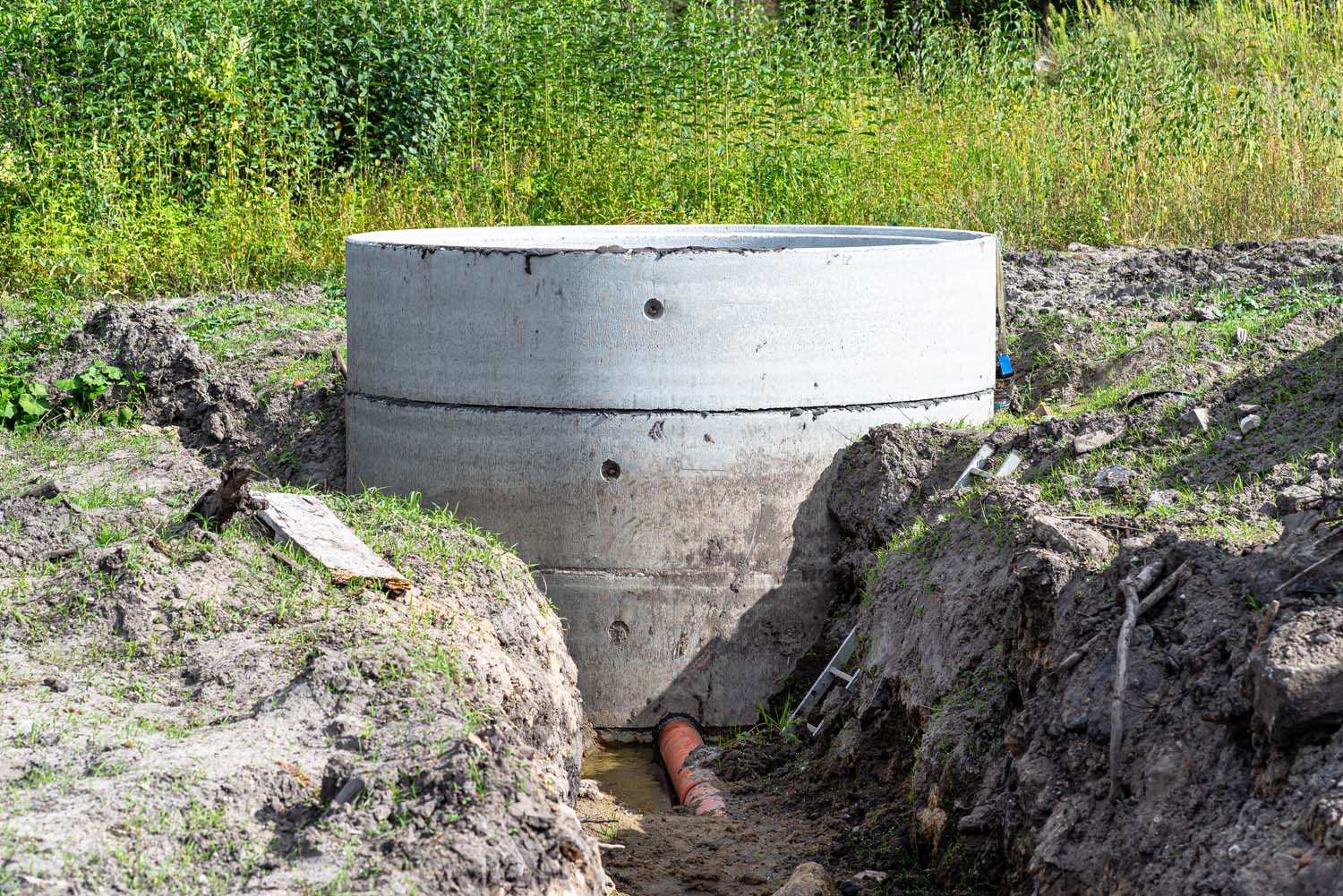
Proper excavation is crucial. The drain field must be level, the tank must be set at the correct depth, and setbacks from wells, property lines, and structures must be observed.
4. Inspections and records.
Before covering, the system must be inspected and documented. Keeping records will help when selling or maintaining your system in the future.
Because of strict environmental protections and groundwater proximity in many parts of Rhode Island, having a qualified local team is not just a recommendation — it’s a necessity.


0 Comments